USUARCADEA PASSION FOR ARCADES

SINCLAIR ZX SPECTRUM · 48K

The games from your Spectrum, online, with your friends over

In the US it was a rare sight, but across Europe the Sinclair ZX Spectrum was the home computer of the 80s: hooked up to the family TV, a tape recorder beside it and a shoebox full of cassettes. UsuArcade's ZX Room takes you back to that room: pick a tape, hit PLAY and your friends crowd around to watch you play.

Free, in your phone or computer browser, no coins needed.

Two friends load a game on a ZX Spectrum hooked up to the TV, with a tape recorder and a shelf of cassettes

What having a Spectrum was like

  1. The day it came home

    The box, that new-plastic smell, the BASIC manual and those rubber keys. Plugging it into the TV and seeing "© 1982 Sinclair Research Ltd" pop up meant life at home would never be the same.

  2. Tapes passed from hand to hand

    At school, around the neighborhood and between cousins, tapes went back and forth with photocopied inlays and titles scrawled in ballpoint. That was the era; in the ZX Room every game comes with its original tape and cover.

  3. Beeps on the radio

    Some radio shows broadcast actual programs: that screech came out of the speaker and you had to have the tape deck ready to record it. If nobody talked over it, sometimes it even loaded.

  4. LOAD "" and wait

    Type LOAD "", hit ENTER and press PLAY. Then came minutes of beeps and colored stripes on the border while the loading screen appeared bit by bit. And if you got "R Tape loading error," rewind and try again.

How each country lived it

United Kingdom

Where it all began

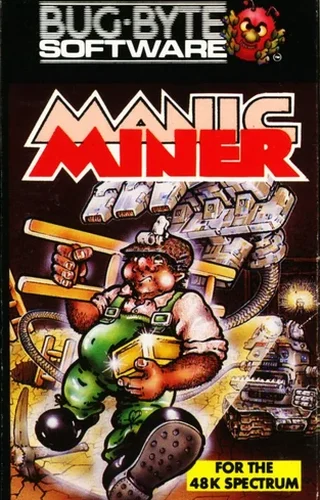
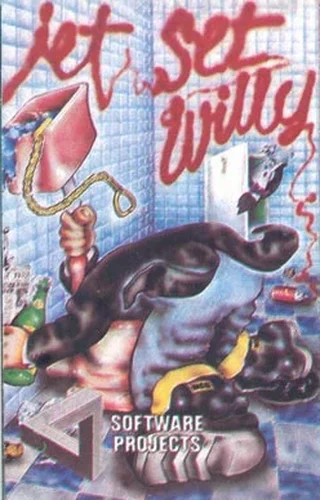
Sinclair Research, Clive Sinclair's company, launched the ZX Spectrum in 1982: small, cheap and fitted with those famous rubber keys. In Britain it became the computer of a whole generation and the workshop of the bedroom coders, teenagers writing games in their bedrooms. That scene gave us Ultimate Play the Game and Matthew Smith, the creator of Manic Miner and Jet Set Willy.

Crash and Your Sinclair magazines told you what was worth buying, budget labels like Mastertronic sold games for pocket money, and the playground never stopped arguing Spectrum versus Commodore 64. Here in the US it arrived through Timex as the Timex Sinclair 2068 and barely made a dent.

Spain

The golden age of Spanish software

In Spain the Spectrum ruled the living room, and around it grew what Spaniards call the golden age of Spanish software. Dinamic, Topo, Opera Soft and Made in Spain, later Zigurat, released games made by kids and college students at home or in tiny offices, and many of them ended up selling all over Europe.

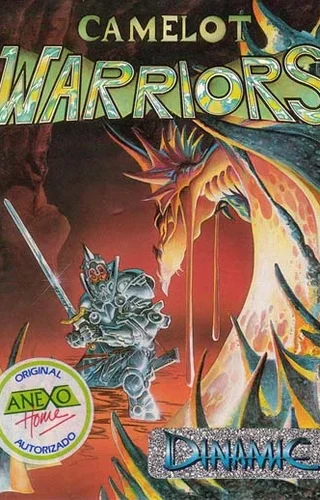
Every month MicroHobby hit the newsstands with reviews, maps and infinite-lives POKEs. Camelot Warriors, Abu Simbel Profanation and Livingstone Supongo all come from those years.

Brazil

Microdigital's TK computers

In Brazil the Spectrum took a different road. Those were the years of the country's computer market reserve, when bringing in foreign computers was nearly impossible, so the Brazilian company Microdigital built its own compatibles: the TK90X and, later, the TK95.

That's how many Brazilians discovered Spectrum games, hooked up to the family TV and loading tapes recorded on the household cassette player.

Italy

Newsstand tapes

In Italy the Spectrum was one of the best-loved home computers of the 80s. And there was a very Italian habit: at the newsstand, right next to the papers, you could buy magazines that came with a tape full of games.

Every month, a new tape to try at home. Plenty of Italian players remember those compilations as fondly as the games themselves.

France

Across the Channel

In France, other machines ruled: the Amstrad CPC and the Thomson computers, which reached schools through the Informatique pour tous plan. You rarely saw a Spectrum in a French home.

Across the Channel, though, it was everywhere, and plenty of its games later made the jump to other computers.

The shelf

Grab a tape: every game has its own page, with its story and how to play.

UsuArcade's ZX Spectrum Room: an 80s house with gaming desks, tube TVs and shelves of cassettes

The ZX Room: a buddy's place in the 80s

An 80s house with several gaming desks: table, tube TV, Spectrum, tape recorder and joystick. Grab the controls, pick a tape off the shelf and go through the loading ritual before you play. Your friends can watch your game with picture and sound and chat with you, just like when they used to look over your shoulder.

  • No coins No INSERT COIN here: it's your place. Walk in, pick a tape and play.
  • One player, friends watching Like almost every Spectrum game, it's one player at a time. Everyone else watches live and talks to you by voice or text chat.
  • Phone or computer On-screen joystick and buttons on your phone; on a computer, the good old keyboard or a gamepad.
  • Ten-second loading The whole ritual, just shorter: LOAD "", the program header, the stripes and the loading screen.
Enter the ZX Room

FAQ

What is the ZX Spectrum Room?

A room in UsuArcade dedicated to the Sinclair ZX Spectrum, the 8-bit home computer released in 1982 that took Europe by storm. It's set in an 80s house, with gaming desks and a shelf of tapes, and you get there from the arcade.

Is it free?

Yes. Spectrum games don't use coins: walk in, pick the tape and play. All you need is a free UsuJuegos account, or sign in with Google or Apple.

Do I need a Spectrum or the tapes?

No. The room provides the Spectrum, with the 48K ROM that Amstrad allows to be distributed. If you still have your games, official mode lets you load your own tape.

Can I play on my phone?

Yes, with an on-screen joystick and buttons. On a computer you play with the keyboard, just like back then, or with a gamepad.

Can I play with my friends?

ZX Room games are single-player, like almost every Spectrum game, but your friends can watch your game live, with picture and sound, and talk to you. Just like when they came over to watch you play.